Sewage Pump
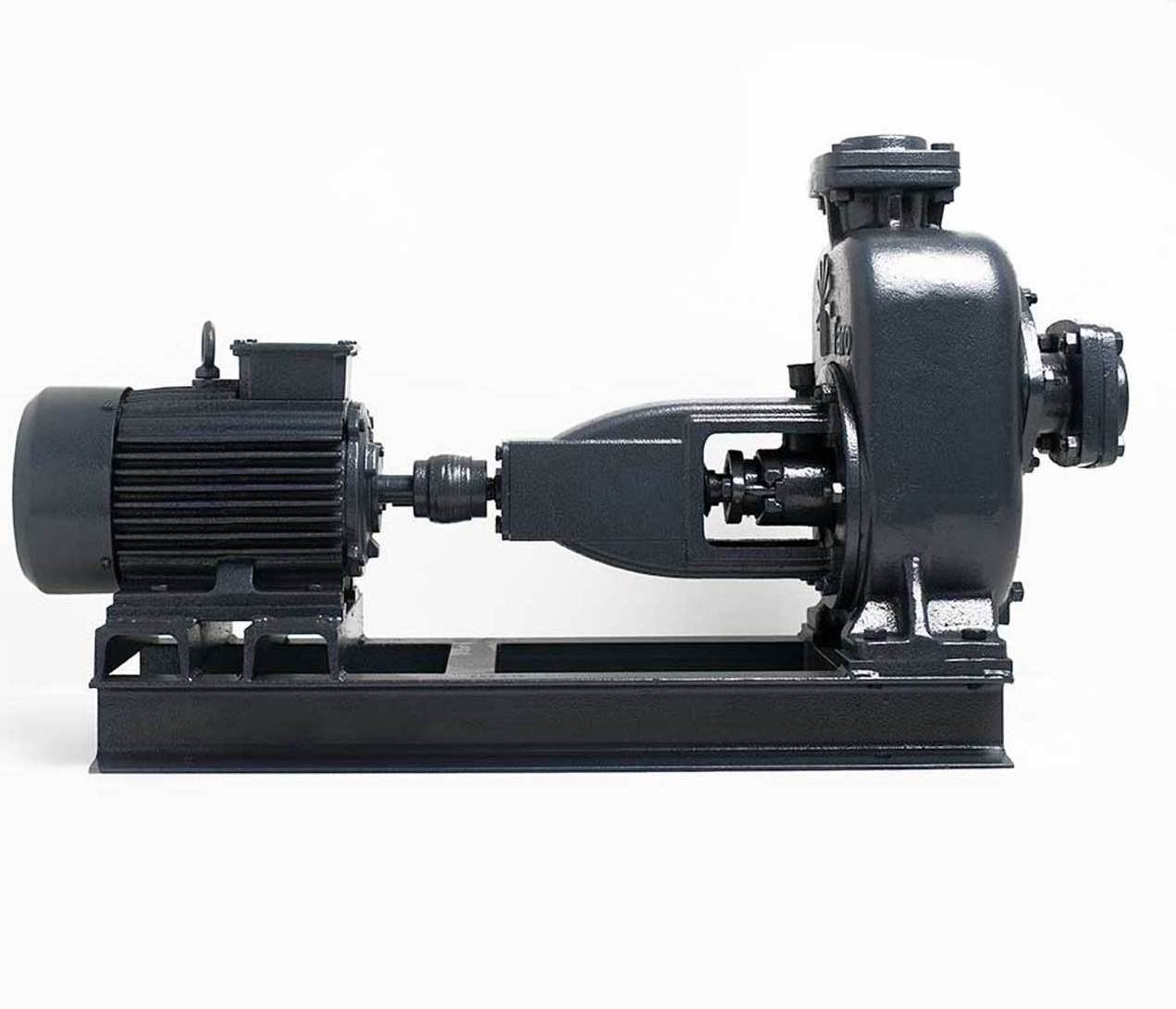
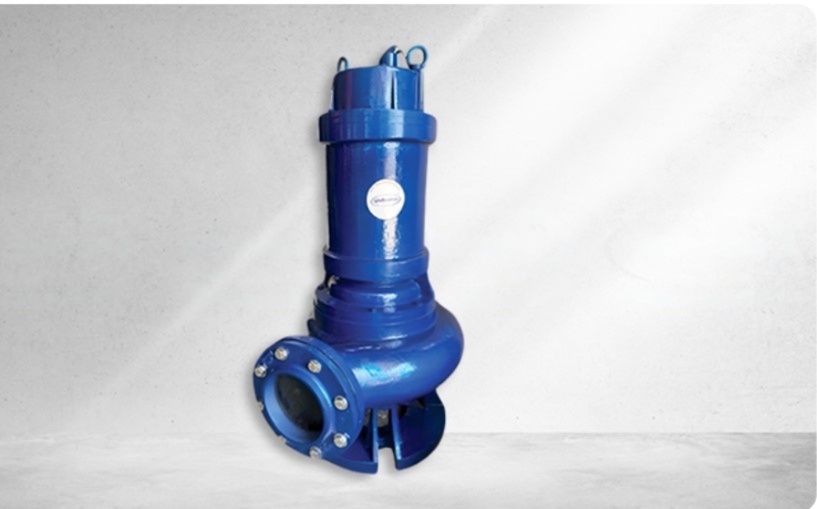
A Sewage Pump is designed to transfer dirty water, wastewater, sludge, and solids from pits, drainage systems, septic tanks, and sewage treatment plants. These pumps can handle solids, fibers, and contaminated liquids that normal pumps cannot.
Features :
Size: Sewage pump sizes depend on solids-handling capacity and flow requirement. Typical Size Range like 50 mm (2 inch), 65 mm (2.5 inch), 80 mm (3 inch), 100 mm (4 inch), 150 mm (6 inch). Solids Handling Capacity 25 mm to 100 mm solids (depending on impeller type).
Capacity:Flow Capacity
5 m³/hr to 500 m³/hr
(large models go up to 1000 m³/hr).
Head / Pressure
5 meters to 50 meters.
Motor Power
0.5 HP to 50 HP
(Submersible sewage pumps mostly 1 HP to 20 HP
Operating Type
Submersible
Non-clog surface pump
Cutter pump (for cutting solids)
Construction:
Working Principle
A sewage pump uses a non-clog impeller that allows solids to pass without blocking.
Key Construction Features
Non-clog impeller (Vortex / Cutter / Channel type)
Submersible motor sealed against water
Double mechanical seal
Heavy-duty bearings
Stainless steel or cast iron body
Cable with waterproof sealing
Materials: These pumps are available in various materials of construction, including metals like aluminum, stainless steel, and plastics like polypropylene.
Applications: Municipal / Industrial Use
Sewage treatment plants (STP)
Effluent treatment plants (ETP)
Sludge transfer
Wastewater pumping
Drainage systems